
SPIRITUAL LIVING
Creating Meaningful Spaces for Ritual and Reflection
A space for prayer, meditation, reflection, or a daily ritual does not need to be large. What matters is that it works for the person using it. The arrangement should feel considered, the objects should suit their purpose, and the materials should be practical to maintain.

Decide what the space needs to support

Before choosing décor, think about how the space will be used. Is it for a brief daily practice, longer periods of quiet, a particular ritual, or a shared household tradition? The answer will influence how much surface area is needed, where objects should sit, and what should remain easy to reach.
A small console, shelf, or dedicated corner can work when it has a clear purpose. Leave enough room for the objects in regular use and avoid selecting decorative pieces that make the surface difficult to maintain.
Choose materials for appearance and care
Ceramic, wood, metal, glass, stone, and woven materials each bring a different visual and tactile character. Their suitability also depends on the setting. Consider whether an item may be exposed to heat, moisture, fragrance oils, wax, ash, or frequent handling.
Ask how the product should be cleaned and maintained, and check that it is suitable for its intended use. A decorative item should not be assumed to be heat-resistant, food-safe, or suitable for holding a flame unless the manufacturer confirms that use.
Use repetition and space thoughtfully
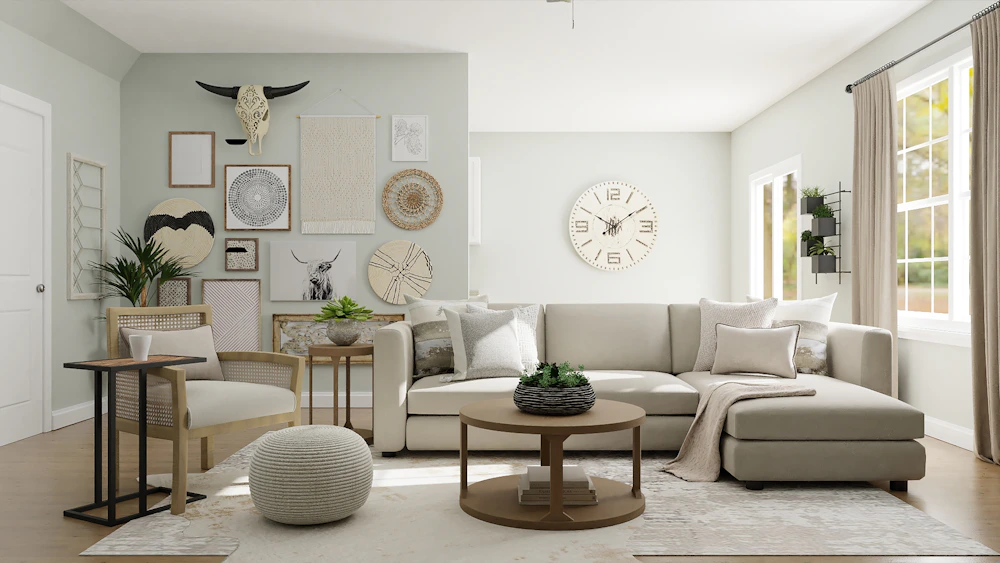
A limited palette can help bring different objects together. Repeating a material or finish in a few places can establish continuity, while leaving clear space around important items helps make their purpose visible.
There is no single correct arrangement for a personal or spiritual space. Cultural, religious, and individual practices differ, so design choices should follow the needs and preferences of the people who use it.
For retailers: communicate function clearly
When building a spiritual or wellness collection, explain the intended function of each item, the materials used, dimensions, care requirements, and any limits on use. This helps buyers and end customers make informed choices.
Product descriptions should remain specific and respectful. Avoid unsupported claims about health effects or spiritual outcomes. A clear account of the material, function, design, and making process is more useful than promising results the product cannot establish.
Wholesale & Trade
Have a collectionin mind?
We work directly with artisan workshops across India and ship to retailers, interior designers and hospitality projects worldwide.
Start an enquiryContinue reading
More from the Weave & Weavers Journal.