DESIGN & LIVING
Bringing Traditional Craft into Modern Homes
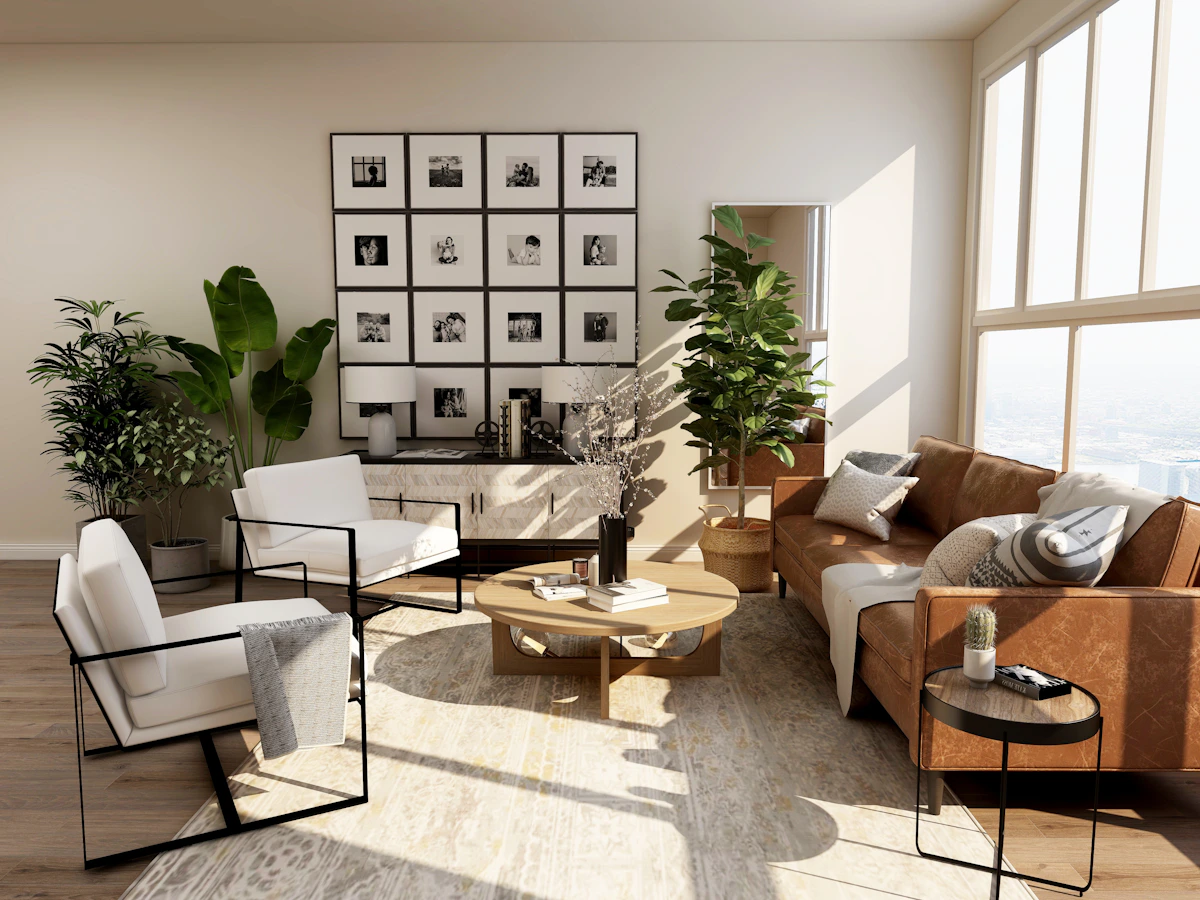
Traditional craft does not need a room filled with antiques or ornate furniture to feel at home. A single handcrafted vessel, a woven accent, or a piece with a distinctive finish can work in a contemporary setting when its scale, colour, and role are considered carefully.
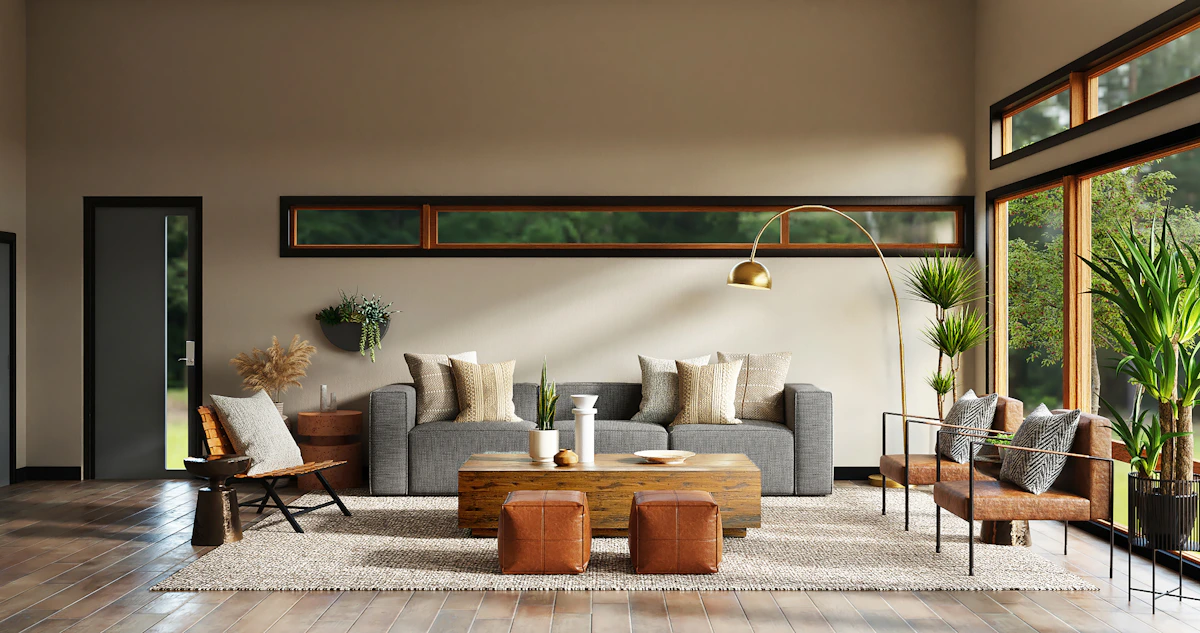
Start with the materials already in the room
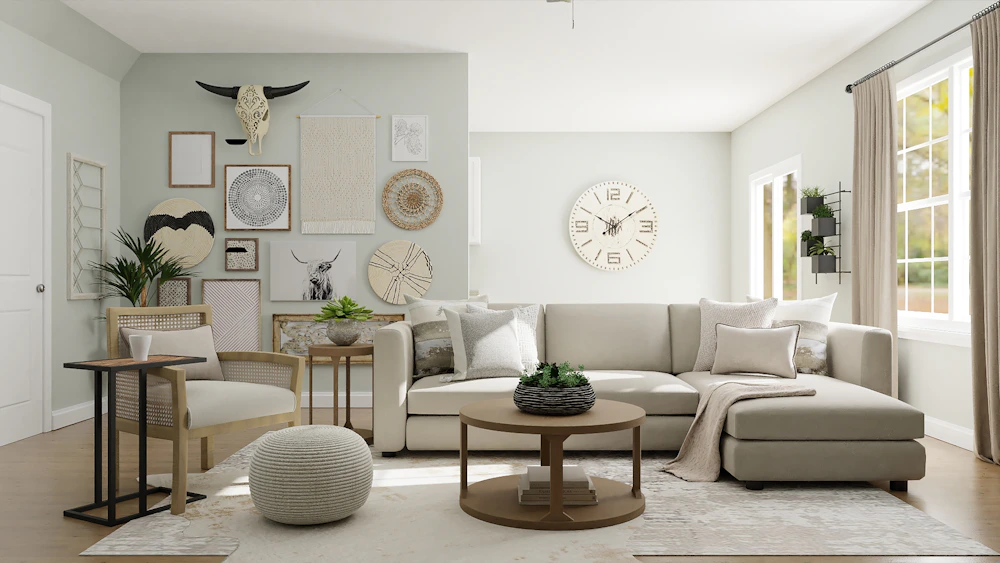
Take stock of the materials that are already present: timber, stone, linen, glass, metal, plaster, or painted surfaces. A handcrafted item can echo one of these materials or create a deliberate contrast. Both approaches can work, but the choice should feel intentional.
In a restrained interior, texture can be more useful than introducing another strong colour. A matte object against a smooth surface or a woven piece beside polished furniture can create a subtle difference that becomes more noticeable over time.
Use scale and negative space
A product can look attractive in isolation but feel misplaced when it is too large, too small, or crowded by other objects. Consider the distance from which it will be seen and whether it is meant to be a focal point or a supporting detail.
Try grouping objects by a shared material, colour, shape, or function. Then remove one item and see whether the arrangement becomes clearer. Negative space—the room left around objects—is part of the composition, not wasted space.
Mix old techniques with contemporary forms

A traditional technique can be presented through a form suited to current use. Equally, a familiar form can feel different through surface treatment, material, or finish. The important question is whether the design respects the technique and works for its intended purpose.
For buyers and designers, this means looking beyond trend labels. Check proportions, practical use, finish consistency, and whether the product fits naturally with the rest of the collection.
Think in collections, not isolated purchases
When selecting several items, decide how they will relate to each other. A collection may share a palette, technique, material, design language, or intended setting. Variation then becomes part of a coherent range rather than a collection of unrelated pieces.
For retailers, the same discipline helps make merchandising clearer. The customer should be able to understand why the products belong together and how they might be used. Good styling supports that understanding without making every object look identical.
Wholesale & Trade
Have a collectionin mind?
We work directly with artisan workshops across India and ship to retailers, interior designers and hospitality projects worldwide.
Start an enquiryContinue reading
More from the Weave & Weavers Journal.